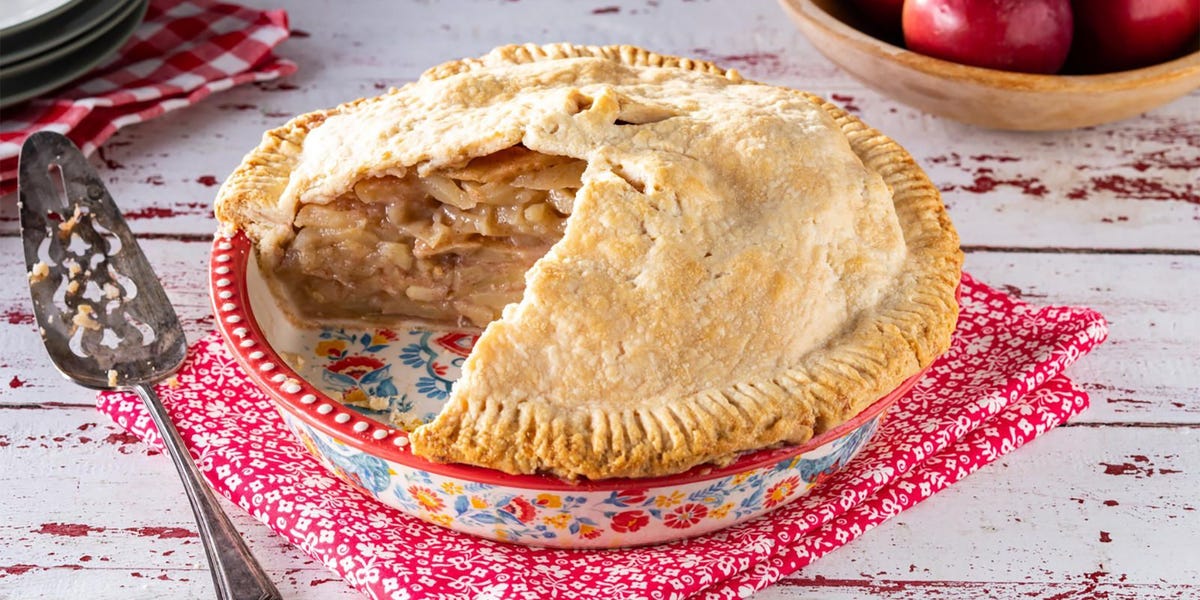
The Secret to the Best Homemade Apple Pie: A Symphony of Apples
There's nothing quite like the comforting aroma and taste of a freshly baked homemade apple pie. It's a culinary masterpiece that evokes warmth, nostalgia, and pure indulgence. While a buttery, flaky crust is non-negotiable, and the perfect blend of spices is essential, the true heart and soul of an exceptional apple pie lies in one crucial ingredient: the apples themselves. Choosing the right varieties, and more importantly, the right combination of varieties, can elevate your homemade apple pie from good to absolutely legendary.
Many home bakers mistakenly believe any apple will do for pie, but this couldn't be further from the truth. Just as a maestro carefully selects each instrument for an orchestra, a savvy pie maker curates a blend of apples, each contributing its unique note. This thoughtful selection is the secret to achieving a complex, multi-layered flavor profile and a perfectly tender yet structured filling that won't turn into an unappetizing mush.
Why a Mix of Apples is Crucial for Homemade Apple Pie Perfection
The beauty of using a medley of apple varieties stems from their diverse characteristics:
- Flavor Dynamics: Some apples are intensely tart, offering a bright counterbalance to the sweetness of the sugar and spices. Others are inherently sweet, providing a comforting base. Combining them creates a more balanced and intriguing flavor that tantalizes the palate.
- Textural Integrity: Apples cook down differently. Some hold their shape beautifully, maintaining a pleasant bite even after baking. Others soften considerably, melting into a saucy consistency. A mix ensures you have both tender chunks and a luscious, cohesive filling, preventing a dry or watery pie.
- Aromatic Depth: Beyond taste, different apples possess distinct aromatic qualities that contribute to the overall sensory experience of your homemade apple pie.
To truly master the art of homemade apple pie, aim for a combination that delivers both tartness and sweetness, alongside apples that bake up firm and those that become delightfully tender.
Top Apple Varieties for Your Homemade Apple Pie
Let's dive into the star players that consistently deliver outstanding results in a homemade apple pie:
- Granny Smith: The Tart Powerhouse
These iconic green apples are a favorite for good reason. Their bracing tartness provides a crucial counterpoint to the pie's sweetness, cutting through richness and adding a vibrant zing. While they have a firm texture raw, they tend to soften significantly when cooked. Use Granny Smiths in moderation (no more than one-third to one-half of your total apple volume) to ensure your pie retains some structure and doesn't become too mushy. They are essential for that classic "apple pie" flavor.
- Jonagold: The Aromatic All-Rounder
A delightful cross between a Golden Delicious and a Jonathan, Jonagolds offer a wonderfully complex flavor that is both sweet and subtly sharp. They possess a lovely aromatic quality and, importantly, maintain their shape exceptionally well during baking. This makes them a fantastic backbone for any apple pie blend, contributing both flavor and structural integrity.
- Fuji: Crisp, Firm, and Balanced
Known for their crisp texture and balanced sweet-tart flavor, Fuji apples are a superb choice for pie. They remain firm and juicy through the baking process, ensuring your filling isn't just a pool of sauce. Their consistent performance and appealing flavor make them a reliable staple for any homemade apple pie.
- Golden Delicious: The Sweet & Mellow Classic
These yellow beauties offer a naturally sweet, mellow flavor that complements bolder, tarter apples. Golden Delicious apples hold their shape well after baking, adding pleasant, tender chunks to your filling. They're a traditional choice and excellent for providing a comforting sweetness and good texture.
- Braeburn: Sweet, Crisp, and Juicy
Braeburns bring a fantastic sweet-tart balance and a crisp texture that translates into a firm, juicy baked apple. They perform reliably in the oven, contributing both flavor and a desirable bite to your pie filling. If you like your pie to have distinct apple pieces, Braeburn is a great pick.
- Cortland: Juicy and Versatile
Cortlands are a juicy, somewhat tart apple that, while relatively soft, are celebrated as a great all-purpose baking apple. They break down beautifully to create a luscious, flavorful sauce that binds the firmer apple pieces together. Their juiciness helps prevent a dry pie.
- Honeycrisp: The Premium Performer
As their name suggests, Honeycrisp apples offer a delightful honey-sweet flavor with a crisp, juicy bite and a hint of tartness. They excel in baking, holding their shape wonderfully. While often pricier, their superb flavor and texture make them a luxurious addition to any homemade apple pie, providing a fantastic "wow" factor.
Apples to Approach with Caution (or Avoid Altogether)
While most apples can technically be baked, not all are created equal for pie. Red Delicious apples, for instance, are generally best avoided. Their texture becomes mealy and unappealing when cooked, and their flavor often falls flat. Similarly, very soft or very sweet varieties like Gala or Macintosh, while delicious fresh, can turn into a watery, bland mush in a pie if used predominantly. If you do use them, ensure they are part of a strong, firm-apple-heavy blend.
Crafting Your Perfect Apple Pie Blend: Tips for Success
The magic truly happens when you combine these varieties. Here are some tips for building your ideal apple ensemble:
- Aim for a 2:1 Ratio (or similar): A good starting point is to use roughly two parts firmer, tart-to-balanced apples (e.g., Jonagold, Fuji, Braeburn, Honeycrisp) to one part softer or very tart apples (e.g., Granny Smith, Cortland).
- Taste Before You Bake: Apples vary in sweetness and tartness depending on the season and region. Always taste your raw apples. If they're particularly tart, you might need a bit more sugar; if they're very sweet, you might reduce it slightly.
- Slice Consistently: To ensure even cooking, slice your apples to a similar thickness. About 1/4 to 1/2 inch is ideal for most varieties.
- Embrace Local & Seasonal: Visit your local orchard or farmer's market. Not only will you find the freshest apples, but you might also discover unique regional varieties perfect for your homemade apple pie.
Beyond the Apples: Essential Elements for a Stellar Homemade Apple Pie
While the apple selection is paramount, don't forget the supporting cast that makes your homemade apple pie truly unforgettable. A truly great pie starts with a flaky, buttery homemade crust – it's easier than you think to achieve an exquisite result. Beyond that, the right spices (cinnamon, nutmeg, allspice), a splash of vanilla, and perhaps a touch of brandy or bourbon can deepen the flavor profile of your filling immensely. Remember to place your pie on a baking sheet to catch any bubbling juices, and for a perfectly golden crust, tent with foil if it browns too quickly. An internal temperature of 200°F (93°C) usually indicates a perfectly cooked pie.
Conclusion
Crafting the perfect homemade apple pie is a journey of flavor, texture, and tradition. By understanding the unique contributions of different apple varieties and thoughtfully combining them, you unlock a depth of taste and an ideal consistency that simply can't be achieved with a single type of apple. So, next time you set out to bake this beloved dessert, choose your apples wisely. Experiment with different blends, savor the process, and delight in the unparalleled joy of a truly spectacular homemade apple pie – a treat that will undoubtedly become a cherished family favorite for years to come.
