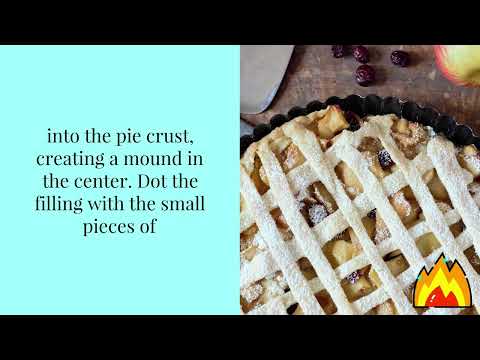
Mastering Homemade Apple Pie: Your Guide to Flaky Crust and Juicy Filling
There are few desserts as universally beloved and comforting as a slice of warm, aromatic apple pie. It’s a timeless classic, a staple of holiday tables, and a cherished symbol of home baking. While the thought of creating a homemade apple pie from scratch might seem daunting, mastering its two most crucial elements – a perfectly flaky crust and a sumptuously juicy filling – is entirely achievable. This comprehensive guide will arm you with the tips, tricks, and insights you need to bake an apple pie that will earn you rave reviews and become a cherished family tradition.
From selecting the ideal blend of apples to crafting a buttery, no-fail crust, we’ll explore every step to ensure your next homemade apple pie is not just good, but truly unforgettable. Imagine biting into a crisp, tender crust giving way to a rich, spiced apple filling that's perfectly balanced in sweetness and tartness. That's the dream, and we're here to help you make it a delicious reality.
The Secret to a Superior Flaky Crust
The foundation of any exceptional apple pie is its crust. A truly outstanding crust should be golden brown, tender, and incredibly flaky, crumbling delicately with each bite. While store-bought options offer convenience, nothing compares to the taste and texture of a flaky homemade pie crust.
One of the most highly recommended crust recipes incorporates both butter and sour cream. Why sour cream? It contributes to an incredibly tender crumb and adds a subtle richness that enhances the overall flavor without being overtly detectable. The butter, of course, is key for that signature flakiness and rich, buttery taste. The trick lies in keeping your butter (or other fat, like shortening) as cold as possible throughout the mixing process. This prevents it from fully integrating with the flour, instead forming pockets that, when baked, release steam and create those coveted flaky layers.
Tips for Crust Perfection:
- Keep Ingredients Cold: Use ice water and very cold butter, cut into small pieces. Some bakers even chill their flour!
- Don't Overwork the Dough: Mix just until the ingredients come together. Overworking develops gluten, leading to a tough crust. You should still see visible specks of butter.
- Chill Thoroughly: After forming your dough into disks, wrap them tightly and refrigerate for at least 30 minutes, or even a day or two ahead. Chilled dough is much easier to roll and results in a more tender crust. Remove the dough from the fridge 10-15 minutes before rolling to make it more pliable.
- Even Rolling: Roll the dough from the center outwards, rotating it frequently to ensure an even thickness. Use a lightly floured surface and rolling pin.
- Handle with Care: Transferring dough can be tricky. Gently roll it onto your rolling pin, then unroll it over your pie dish. Avoid stretching the dough, as it will shrink back during baking.
Crafting the Perfect Juicy Apple Filling
A truly spectacular apple pie filling strikes the perfect balance between sweetness and tartness, offers a delightful range of textures, and is wonderfully juicy without being watery. The secret? A thoughtful blend of different apple varieties.
Using a single type of apple often leads to a one-dimensional pie. Some apples become mushy, others stay too firm; some are overly sweet, while others are too tart. By combining varieties, you achieve a complex flavor profile and a satisfying mix of textures – some pieces meltingly soft, others retaining a pleasant bite. Aim for a mix of tart and sweet, and varieties that cook up both firm and soft.
Your Apple Arsenal: The Best Varieties for Pie:
- Granny Smith: Essential for its bright tartness, which cuts through the sweetness of the filling. Use sparingly (no more than 2) as they can become mushy.
- Jonagold: A beautiful balance of sweet and sharp with an aromatic flavor. Holds its shape well.
- Fuji: Crisp, firm, and juicy with a great sweet-tart balance. Excellent for maintaining texture.
- Golden Delicious: Sweet and mellow, these apples soften nicely but still hold their shape, adding a lovely yellow hue to the mix.
- Braeburn: Sweet, crisp, and firm, baking up juicy and holding its structure.
- Cortland: Juicy and tart, relatively soft, making them a good all-purpose apple that blends well with others.
- Honeycrisp: Known for their honey-sweet and tart flavor, they are incredibly crisp and hold their shape beautifully in baking.
Apples to Avoid: Steer clear of Red Delicious apples; their texture breaks down poorly during baking, making them unsuitable for pie. For more in-depth information on apple varieties, check out our guide: Choose Your Apples: Guide to the Best Varieties for Apple Pie.
Beyond the apples themselves, the spices and liquid components are crucial. Classic spices like cinnamon, nutmeg, and a touch of allspice or cloves enhance the apple's natural flavors. A splash of brandy (or bourbon, rum, or even apple cider vinegar) adds depth and a subtle aromatic complexity that truly elevates the filling. Don't forget a touch of vanilla extract for warmth and sweetness.
Tips for a Perfect Filling:
- Uniform Slicing: Slice apples to a consistent thickness (about 1/4 inch) to ensure even cooking.
- Pre-Mix and Rest: Toss your sliced apples with sugar, spices, and any liquids. Let them sit for 15-30 minutes; this allows the apples to release some of their juices, which can then be reduced or incorporated into the filling, preventing a watery pie.
- Thickening Agent: Include a thickening agent like flour, cornstarch, or tapioca starch to ensure your filling sets beautifully and isn't runny.
- Mound High: Apples cook down considerably, so don't be afraid to mound the filling high in the crust.
Essential Baking Tips for Apple Pie Success
Once your pie is assembled, the baking process is the final frontier to perfection. A few simple techniques can make all the difference:
- The Baking Sheet Advantage: Always place your pie on a baking sheet before putting it in the oven. This catches any juices that might bubble over, saving your oven from sticky clean-ups and potential smoke.
- Temperature Control: Bake at a higher temperature initially (e.g., 425°F/220°C for 15-20 minutes) to set the crust and promote flakiness, then reduce the temperature (e.g., 375°F/190°C) for the remainder of the baking time to ensure the apples cook through without burning the crust.
- Know When It's Done: The pie is fully cooked when the juices are noticeably bubbling up through the vents in the top crust. If you have an instant-read thermometer, insert it into the center of the pie; a reading of 200°F (93°C) indicates that the apples are tender and the filling is sufficiently heated.
- Prevent Over-Browning: If your pie crust is browning too quickly before the filling is cooked, create a "foil tent" by lightly covering the pie with aluminum foil. This shields the crust from direct heat.
- Cool Completely (Mostly): While warm pie is divine, allowing it to cool for at least 2-3 hours after baking is crucial. This gives the filling time to set properly, preventing a runny, messy slice.
Elevating Your Homemade Apple Pie Experience
A freshly baked homemade apple pie is a treat in itself, but there are ways to make the experience even more delightful. Consider dressing it up for serving:
- Classic Vanilla: A scoop of premium vanilla bean ice cream is the quintessential accompaniment, its creamy coolness providing a perfect contrast to the warm, spiced apples.
- Sharp Cheddar: For a more traditional (and surprisingly delicious) pairing, serve a slice with a thin wedge of sharp cheddar cheese. The savory notes beautifully complement the sweet and tart pie.
- Caramel Drizzle: A swirl of homemade caramel sauce adds an extra layer of sweetness and indulgence.
- Whipped Cream: A dollop of freshly whipped cream, perhaps infused with a hint of cinnamon or vanilla, is always a welcome addition.
And let's not forget the pure joy of leftovers. As many home bakers will attest, a slice of apple pie for breakfast is one of life's simple pleasures, often even better the next day as the flavors meld and deepen. This comforting dessert isn't just for holidays; it's a year-round celebration of simple, wholesome ingredients transformed into something extraordinary.
Baking a homemade apple pie is more than just following a recipe; it's an act of love, a connection to tradition, and a creative outlet. By focusing on the quality of your ingredients, understanding the role of different apple varieties, and employing a few key techniques for both crust and filling, you can confidently create a masterpiece. So, roll up your sleeves, gather your apples, and get ready to fill your home with the irresistible aroma of the best apple pie you've ever made!
